Optimal Seasons for Waterproofing Applications
Waterproofing is a critical step in protecting structures from water intrusion and damage. The timing of waterproofing applications can significantly impact their effectiveness and longevity. Properly scheduled waterproofing projects ensure optimal adhesion, curing, and performance, reducing the risk of future issues such as leaks, mold, and structural deterioration.
Spring offers moderate temperatures ideal for waterproofing projects, allowing materials to cure properly before the summer heat or winter cold.
Summer provides warm, dry conditions that facilitate quick curing and installation, especially for exterior applications.
Fall is suitable for waterproofing before winter, ensuring protection during cold and wet months.
Winter waterproofing is possible with specialized materials and techniques, but generally less preferred due to colder temperatures and increased risk of moisture issues.
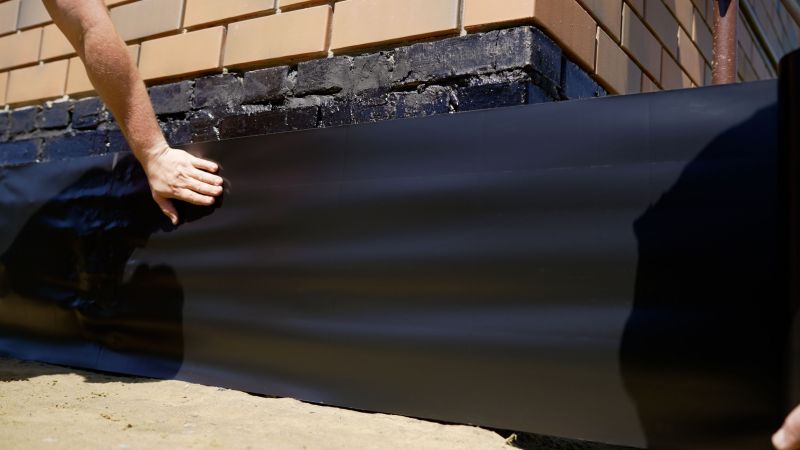
Spring is ideal for waterproofing projects due to mild weather conditions.
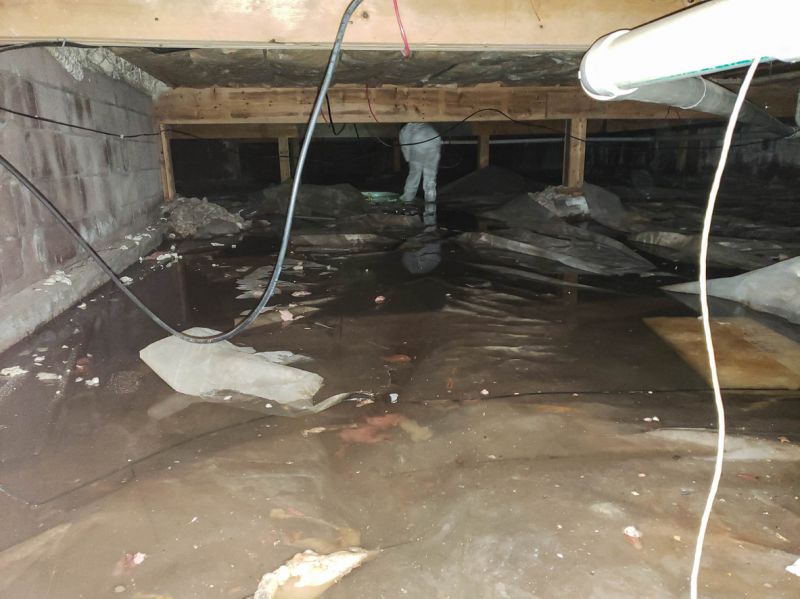
Warm summer days support quick curing of waterproofing materials.
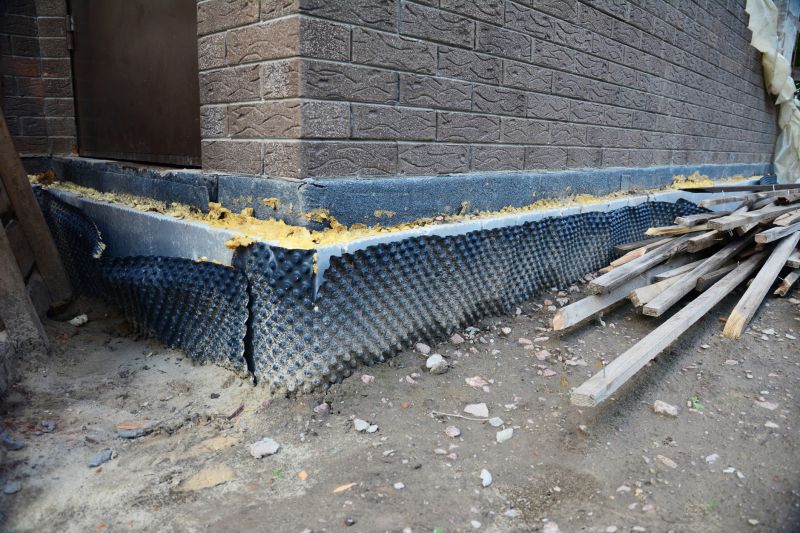
Applying waterproofing before winter helps prevent water damage during cold months.
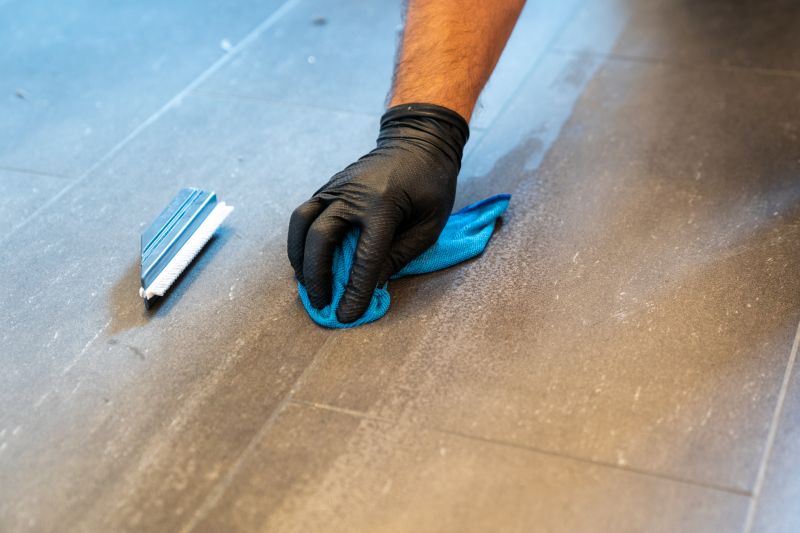
Popular materials for Waterproofings and why they hold up over time.
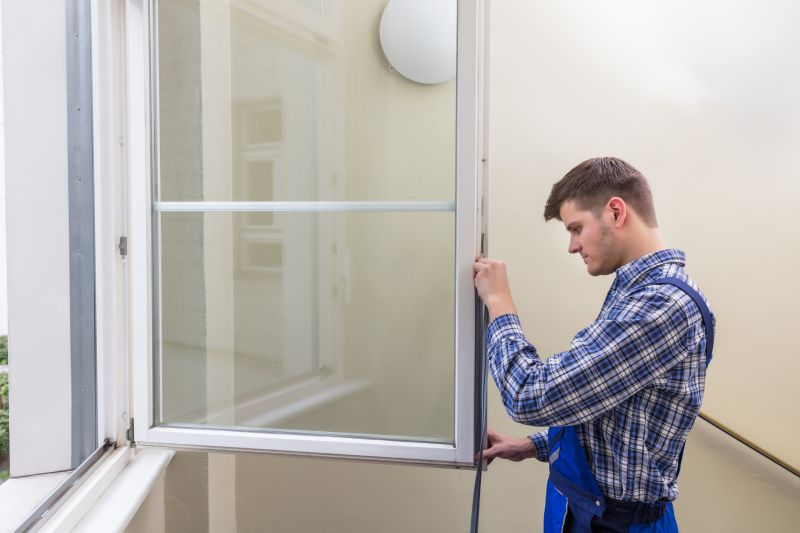
Simple add-ons that improve Waterproofings without blowing the budget.
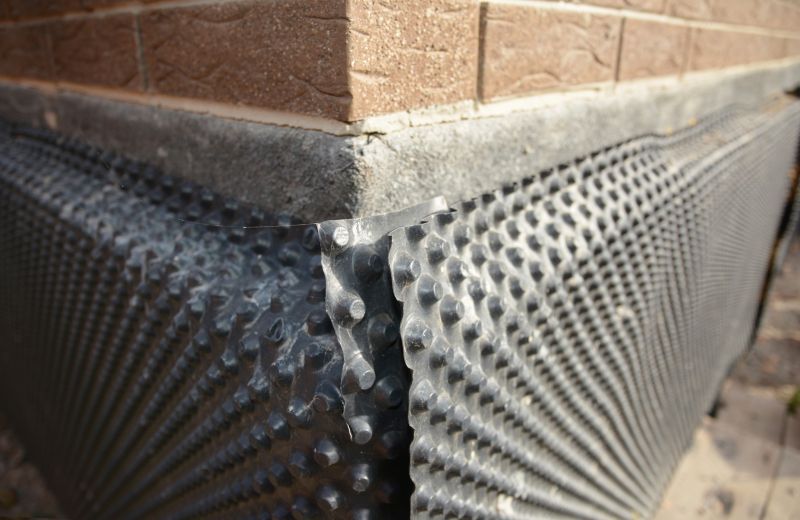
High-end options that actually feel worth it for Waterproofings.
| Season | Advantages |
|---|---|
| Spring | Moderate temperatures, optimal curing conditions. |
| Summer | Fast installation, ideal for exterior surfaces. |
| Fall | Prepares structures for winter, reduces freeze-thaw damage. |
| Winter | Limited options, requires specialized materials. |
Waterproofings are essential for maintaining the integrity of buildings and structures. They serve as a barrier against water ingress, which can cause structural damage, mold growth, and interior deterioration. Advances in waterproofing technology have improved the durability and ease of application, making it possible to protect properties effectively across different seasons. Properly timed waterproofing projects can extend the lifespan of a structure and reduce long-term maintenance costs.

Proper timing ensures effective adhesion and durability.

Avoiding rainy or freezing conditions enhances project success.

Temperature and humidity influence curing times and quality.

Scheduling waterproofing during suitable weather minimizes risks.

Finishes and colors that play nicely with Waterproofings.
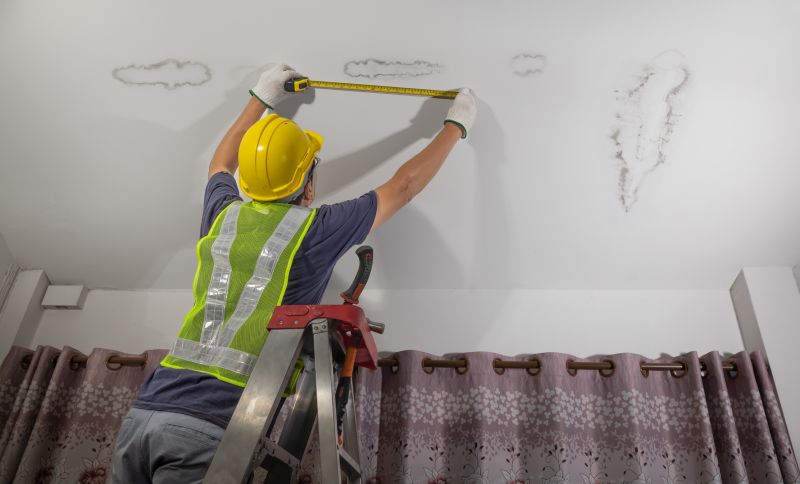
Little measurements that prevent headaches on Waterproofings day.
Interested parties should consider scheduling waterproofing projects during seasons with stable weather conditions. Proper planning ensures the longevity and effectiveness of waterproofing treatments, helping to prevent water-related issues before they arise. Contact today to discuss suitable timing for waterproofing needs.